Septic Tank Backup: Comprehensive guide to causes, solutions and emergency prevention in Zimbabwe
Understanding Septic Tank Backup: What Every Homeowner Needs to Know
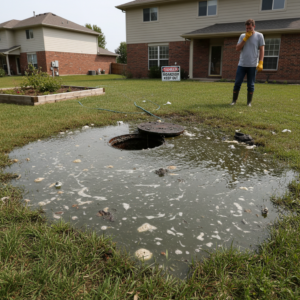
A septic tank backup is one of the most distressing plumbing emergencies that homeowners can experience. This comprehensive guide explains everything you need to know about septic system failures, septic tank overflow, and how to prevent costly septic tank problems before they become disasters.
What is a Septic Tank Backup? Complete Definition and Explanation
A septic tank backup occurs when wastewater, sewage, and solid waste cannot properly flow through your septic system, causing contaminated water to reverse direction and flow back into your home through drains, toilets, showers, and sinks. This septic system failure represents a serious health hazard and requires immediate professional septic tank repair services.
The Septic System Explained
Before understanding septic tank backup causes, it’s essential to comprehend how your residential septic system works. A properly functioning septic system consists of:
- Septic tank: Underground wastewater treatment structure
- Inlet and outlet pipes: Channels for wastewater flow
- Drain field (leach field): Soil absorption system
- Distribution box: Wastewater distribution component
- Soil and bacteria: Natural filtration and treatment elements
When any component of this septic wastewater treatment system malfunctions, you risk experiencing a complete septic tank backup emergency.
Warning Signs of Septic Tank Backup: Early Detection Saves Thousands
Recognizing septic system warning signs early can prevent catastrophic septic tank overflow and expensive septic repair costs. Watch for these critical septic backup symptoms:
Inside Your Home:
- Slow draining sinks, bathtubs, and showers throughout the house
- Gurgling sounds from drains and toilets indicating air pressure problems
- Sewage backup in toilets, especially lower-level fixtures
- Multiple drain clogs occurring simultaneously
- Foul sewage odor inside your home
- Water backing up in basement drains
- Sewage coming up through shower drains
Outside Your Property:
- Standing water or soggy ground near septic tank or drain field
- Lush, overly green grass above the drain field
- Sewage odors in yard, especially near septic system
- Sewage surfacing in yard during rain or water usage
- Septic tank alarm activated (if system equipped)
Common Causes of Septic Tank Backup: Understanding Why Septic Systems Fail
1. Full Septic Tank Requiring Pumping
The most common cause of septic backup is simply a full septic tank that hasn’t been pumped according to the recommended septic tank maintenance schedule. Most residential septic tanks require professional septic pumping every 3-5 years, depending on:
- Household size and water usage
- Septic tank size and capacity
- Garbage disposal usage
- Water conservation practices
Keyword focus: septic tank pumping frequency, how often pump septic tank, septic tank maintenance schedule
2. Clogged Septic System Pipes and Drain Lines
Blocked septic pipes prevent proper wastewater flow, causing sewage backup into your home. Common septic pipe clog causes include:
- Tree roots infiltrating septic lines
- Non-biodegradable items flushed down toilets
- Grease and cooking oils accumulation
- Feminine hygiene products and wipes
- Collapsed or damaged septic pipes
- Foreign objects in septic system
Keyword focus: clogged septic system, septic line blockage, tree roots in septic system
3. Drain Field Failure and Septic System Saturation
Your drain field (also called leach field or absorption field) can fail due to:
- Soil compaction from vehicles or heavy equipment
- Excessive water overloading the system
- Biomat buildup preventing proper drainage
- Poor soil conditions and high water table
- Age and deterioration of drain field
- Hydraulic overload from water softeners
Keyword focus: drain field failure, septic drain field problems, leach field saturation
4. Septic Baffle or Filter Blockage
Inlet and outlet baffles direct wastewater flow through your septic tank. When these components become clogged with solid waste, grease, or debris, proper septic function ceases, resulting in backup.
Keyword focus: septic tank baffle problems, septic filter maintenance, outlet baffle clog
5. Damaged or Deteriorating Septic Tank Structure
Older septic tanks, particularly concrete septic tanks, can crack, corrode, or collapse over time. Steel septic tanks are prone to rust and deterioration. Structural damage allows:
- Groundwater infiltration
- Soil and debris entry
- Improper wastewater treatment
- System overflow and backup
Keyword focus: cracked septic tank, deteriorating septic system, septic tank replacement
6. Excessive Water Usage and Hydraulic Overload
Overwhelming your septic system with too much water too quickly can cause backup. Common contributors include:
- Running multiple water-using appliances simultaneously
- Excessive laundry loads in short timeframes
- Long showers and filling large bathtubs
- Water softener discharge
- Continuous water leaks and running toilets
Keyword focus: septic system overload, too much water in septic, hydraulic overload
7. Harsh Chemicals Killing Beneficial Bacteria
Your septic system relies on beneficial bacteria to break down solid waste. Chemical additives, antibacterial soaps, excessive bleach, and harsh cleaning products can destroy this essential bacteria, leading to:
- Incomplete waste breakdown
- Solid accumulation
- System backup and failure
Keyword focus: septic system bacteria, chemicals harmful to septic, septic tank additives
Health Hazards of Septic Tank Backup: Why Immediate Action is Critical
Septic backup isn’t just inconvenient—it’s dangerous. Raw sewage exposure poses serious health risks:
- Bacterial infections including E. coli, Salmonella, and Hepatitis
- Parasitic infections from contaminated water
- Respiratory problems from sewage gas exposure
- Skin infections and rashes from contact with sewage
- Property contamination requiring professional biohazard cleanup
Never attempt DIY septic backup cleanup. Professional septic emergency services have proper equipment, protective gear, and disposal methods to safely handle sewage contamination.
Keyword focus: septic backup health risks, sewage exposure dangers, septic emergency cleanup
Emergency Steps: What to Do When You Have a Septic Backup
Immediate Actions:
- Stop all water usage immediately – No flushing, washing, or running water
- Keep family and pets away from affected areas
- Call emergency septic services 24/7 for immediate assistance
- Turn off electricity to affected areas if standing water present
- Document damage with photos for insurance claims
- Ventilate your home to reduce sewage gas buildup
- Do not use chemical drain cleaners – they worsen septic problems
Professional Emergency Septic Services:
Licensed septic professionals will:
- Assess the septic backup cause
- Pump your septic tank if necessary
- Inspect system components with camera technology
- Identify damaged or failed components
- Clear blockages in pipes and drain field
- Provide estimates for necessary repairs
- Recommend preventive maintenance strategies
Keyword focus: emergency septic services, 24 hour septic repair, septic backup emergency, what to do septic overflow
Septic Tank Backup Repair: Solutions and Costs
Septic Tank Pumping ($300-$600)
Standard septic pumping removes accumulated solids from your tank, often resolving minor backup issues. Emergency septic pumping services may cost more but provide immediate relief.
Septic Pipe Cleaning and Repair ($300-$4,000)
Clearing clogged septic lines, repairing damaged pipes, or removing tree roots requires specialized equipment like hydro-jetting and sewer cameras.
Drain Field Repair or Replacement ($3,000-$15,000)
Failed drain fields require excavation, soil replacement, and new distribution systems. Costs vary based on:
- Drain field size and depth
- Soil conditions
- Accessibility and property layout
- Local regulations and permits
- System type (conventional vs. advanced treatment)
Complete Septic System Replacement ($10,000-$30,000+)
Severely damaged or obsolete septic systems may require complete replacement, including:
- New septic tank installation
- Updated drain field construction
- Modern distribution components
- Compliance with current septic codes
Keyword focus: septic repair costs, septic tank replacement cost, drain field replacement, how much septic backup repair
Septic Tank Backup Prevention: Protecting Your Investment
Regular Septic Tank Pumping Schedule
Establish a routine septic pumping schedule based on:
- 1-2 people: Every 5 years
- 3-4 people: Every 3-4 years
- 5+ people: Every 2-3 years
- Heavy usage homes: Annual inspection, pumping as needed
Proper Septic System Usage
ONLY flush human waste and toilet paper. Never flush:
- Baby wipes and “flushable” wipes
- Feminine hygiene products
- Dental floss and cotton swabs
- Medications and chemicals
- Cigarette butts
- Cat litter and pet waste
- Paper towels and tissues
- Grease, fats, and cooking oils
Water Conservation Strategies
Reduce water usage to prevent septic overload:
- Install high-efficiency toilets and fixtures
- Fix leaky faucets and running toilets immediately
- Spread laundry loads throughout the week
- Take shorter showers
- Use water-efficient appliances
- Divert sump pump and roof drains away from septic
Protect Your Drain Field
- Never drive vehicles over drain field
- Avoid planting trees near septic system components
- Don’t build structures over septic components
- Redirect surface water away from drain field
- Maintain proper lawn care without excessive watering
Annual Septic System Inspection
Professional septic inspections identify problems before they cause backup:
- Check tank levels and determine pumping needs
- Inspect baffles, filters, and distribution components
- Assess drain field functionality
- Test for leaks and structural damage
- Verify proper bacterial action
Keyword focus: septic system maintenance, prevent septic backup, septic care tips, septic system best practices
Septic Tank Backup vs. Sewer Line Backup: Key Differences
Many homeowners confuse septic backups with municipal sewer line problems. Key differences include:
Septic System Backup:
- Affects homes with private septic systems
- Usually affects all drains simultaneously
- Odors present both inside and outside
- Standing water visible near septic components
- Homeowner responsible for all repairs
- Requires septic service professionals
Sewer Line Backup:
- Affects homes connected to municipal sewer
- May affect only some drains initially
- Backup often in basement or lower-level fixtures
- May be municipality responsibility
- Caused by tree roots, collapsed pipes, or main line blockages
- Requires sewer service or plumber
Keyword focus: septic vs sewer backup, difference between septic and sewer, private septic system problems
Finding Reliable Septic Tank Backup Services Near You
When searching for “emergency septic services near me” or “septic backup repair,” look for:
Qualified Septic Professionals:
- Licensed and insured septic contractors
- 24/7 emergency septic services availability
- Positive customer reviews and testimonials
- Experience with your septic system type
- Transparent pricing and written estimates
- Modern inspection equipment (cameras, locators)
- Warranty on repairs and services
Questions to Ask Septic Service Providers:
- Are you licensed and insured for septic work?
- Do you offer 24/7 emergency septic services?
- What is your average emergency response time?
- Do you provide free septic system inspections?
- What equipment do you use for diagnosis?
- Do you offer preventive maintenance plans?
- Can you handle complete system replacement if necessary?
- What warranties do you provide on repairs?
Keyword focus: septic services near me, emergency septic repair, licensed septic contractor, find septic professional
Insurance Coverage for Septic Tank Backup
Many homeowners don’t realize standard homeowners insurance typically EXCLUDES septic system backup damage. Consider:
Sewer and Drain Backup Coverage:
This optional insurance endorsement covers:
- Cleanup and restoration costs
- Damaged personal property
- Temporary housing if necessary
- Professional biohazard remediation
Cost: Usually $50-$250 annually
What’s Typically NOT Covered:
- Septic system repairs or replacement
- Damage from lack of maintenance
- Gradual deterioration
- Landscaping damage
Keyword focus: septic backup insurance, homeowners insurance septic, sewer backup coverage
Advanced Septic Systems: Modern Solutions for Backup Prevention
Aerobic Treatment Units (ATU)
Advanced septic systems using oxygen injection provide:
- Superior wastewater treatment
- Smaller drain field requirements
- Better performance in challenging soil
- Reduced backup risk
Septic Tank Effluent Pump (STEP) Systems
Pressure distribution systems offering:
- Controlled wastewater discharge
- Even drain field distribution
- Suitable for difficult terrain
- Alarm systems for malfunction alerts
Mound Systems
Elevated drain fields for:
- High water table areas
- Shallow bedrock locations
- Poor soil conditions
- Enhanced treatment capabilities
Keyword focus: advanced septic systems, aerobic septic system, modern septic technology, alternative septic solutions
Environmental Impact of Septic Tank Backup
Septic failures don’t just affect your home—they impact the environment:
Groundwater Contamination
Raw sewage can pollute:
- Drinking water wells
- Aquifers and water tables
- Streams, rivers, and lakes
- Local ecosystems
Environmental Protection Responsibilities
Homeowners must:
- Report significant septic failures to local health departments
- Properly dispose of septic waste through licensed haulers
- Maintain systems according to environmental regulations
- Upgrade failing systems promptly
Keyword focus: septic environmental impact, groundwater contamination septic, septic system regulations
Frequently Asked Questions About Septic Tank Backup
Q: How do I know if my septic tank is full?
A: Warning signs include slow drains, gurgling sounds, sewage odors, and water pooling near the septic tank. Schedule professional inspection if you notice these symptoms or haven’t pumped in 3+ years.
Q: Can I pump my own septic tank?
A: DIY septic pumping is not recommended due to health hazards, proper disposal requirements, specialized equipment needs, and the importance of professional inspection during pumping.
Q: How long does septic backup repair take?
A: Simple pumping takes 2-4 hours. Minor repairs may require 1-2 days. Major drain field replacement can take 1-2 weeks depending on permits, weather, and system complexity.
Q: Will heavy rain cause septic backup?
A: Excessive rain can saturate drain fields, preventing proper absorption and potentially causing backup, especially in systems already near capacity or with existing drainage issues.
Q: Are septic tank additives necessary?
A: Most septic professionals agree additives are unnecessary and sometimes harmful. Proper maintenance and reasonable water usage provide adequate bacterial action.
Q: What causes septic smell in house but no backup?
A: Odors without backup may indicate dry drain traps, vent pipe blockages, failing wax ring on toilets, or early warning signs of developing septic problems.
Keyword focus: septic tank FAQ, septic backup questions, septic system answers
Regional Considerations for Septic Tank Backup
Septic system performance varies by location:
Cold Climate Challenges:
- Frozen pipes and drain fields
- Reduced bacterial activity in winter
- Snow cover affecting access
- Ice preventing proper drainage
Coastal Area Concerns:
- High water tables
- Salt water intrusion
- Sandy soil rapid drainage
- Strict environmental regulations
Rural vs. Urban Septic Systems:
- Lot size affecting system design
- Soil testing requirements
- Local health department regulations
- Proximity to water sources
Keyword focus: septic system by climate, regional septic problems, cold weather septic issues
Conclusion: Protect Your Home from Costly Septic Tank Backup
Septic tank backup is a serious plumbing emergency that requires immediate professional attention. Understanding the causes, warning signs, and prevention strategies helps homeowners avoid catastrophic system failures and expensive repairs.
Key Takeaways:
✓ Schedule regular septic pumping every 3-5 years ✓ Watch for early warning signs of backup ✓ Practice proper septic system usage ✓ Conserve water to prevent system overload ✓ Maintain your drain field properly ✓ Contact emergency septic services immediately if backup occurs ✓ Invest in annual professional inspections ✓ Consider sewer backup insurance coverage
Don’t wait for disaster! Proactive septic system maintenance costs hundreds of dollars. Emergency backup repairs cost thousands. Complete system replacement can exceed $1000.00 in Zimbabwe
Contact Professional Septic Services Today
Experiencing septic backup symptoms? Don’t delay! Contact licensed septic professionals immediately for:
- 24/7 Emergency septic backup response
- Complete septic system inspection and diagnosis
- Professional septic tank pumping services
- Drain field repair and replacement
- Septic pipe cleaning and root removal
- Preventive maintenance programs
- System upgrades and replacements
Protect your home, health, and investment with proper septic care. Schedule your septic system inspection today!
septic tank backup, septic system failure, septic tank emptying, liquid waste removals, septic backup causes, clogged septic system, septic tank overflow, drain field failure, emergency septic services, septic tank pumping, septic repair costs, prevent septic backup, septic system maintenance, sewage backup, septic tank problems, septic line blockage, full septic tank, septic backup warning signs, residential septic system, septic tank replacement, septic services near me, emergency septic repair, septic system care, leach field problems, septic backup health risks, what causes septic backup, how to prevent septic problems, professional septic services, 24 hour septic repair, septic tank maintenance schedule, septic inspection, drain field replacement cost, homeowner septic care,
This comprehensive guide provides essential information about septic tank backup for educational purposes. Always consult licensed septic professionals for diagnosis, repair, and maintenance of your specific septic system.